

Introduction
You want a home that is easy to live in today and welcoming for tomorrow. In Evanston and Skokie, that often means blending older layouts with safer entries, steadier stairs, and bathrooms that are simple to use without help. Accessibility is not a one-time project. It is a series of smart, low-drama upgrades that make every day smoother.
Hammell Homes has served Chicago’s North Shore since 1986. We guide homeowners through clear, sensible improvements that respect the character of older homes while removing friction where it matters most.
What Accessibility Really Means At Home
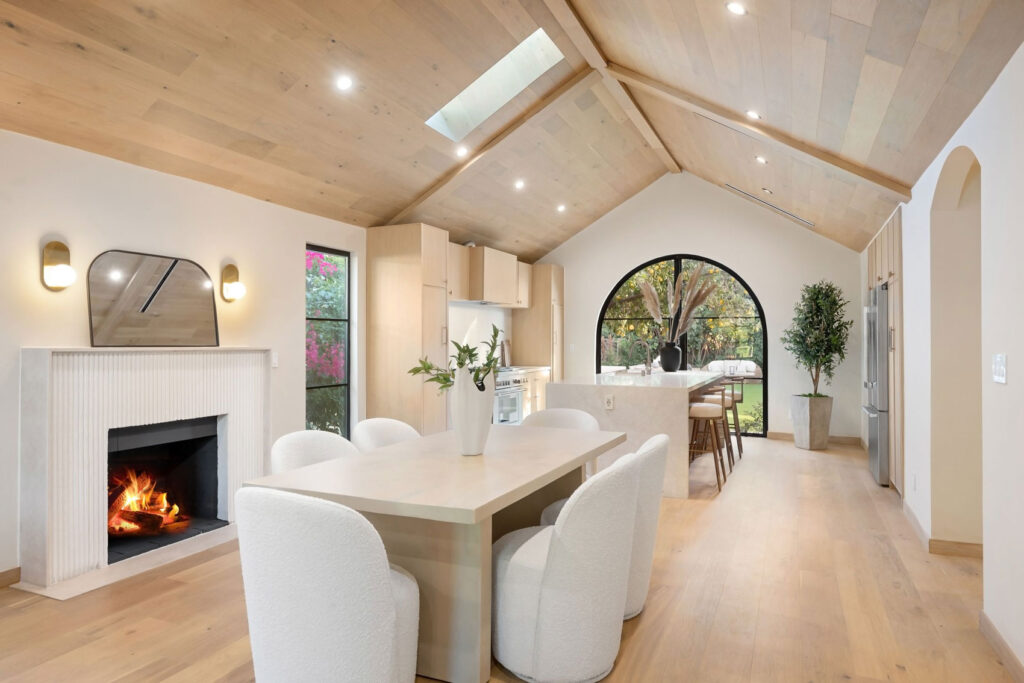
Accessibility is not a single style. It is the experience of moving through your house with confidence. For one family, that begins at the front steps. For another, it is the first five minutes of the morning in a tight bathroom. The point is to reduce effort, lower risk, and keep independence. The best projects disappear into the design. They do not advertise themselves. They just work.
Start With Outcomes, Not Products
Before shopping, write three outcomes you must achieve. Maybe it is entering the house without a struggle, showering without stepping over a tub, or carrying laundry without fighting stairs. Outcomes guide choices and budgets. When trade-offs appear, ask a simple question: does this change get us closer to the list? If not, it waits. This keeps the plan focused and spending honest.
Small Layout Adjustments With Big Payoffs
Older Evanston and Skokie homes carry narrow doorways, tight landings, and steep steps. Minor carpentry can change the experience. Consider:
- Widening doorways to a target of 32 inches clear where feasible.
- Re-hinging doors to swing away from tight spaces.
- Swapping a swing door for a pocket or barn-style door in cramped baths.
- Adding a landing or intermediate handhold where stairs turn sharply.
These are inch-by-inch choices, not sweeping structural moves. The goal is to make common paths feel calmer without gutting the house.
Safer Entries And Everyday Thresholds
The front step is often the hardest part of coming home. A low-rise stoop rebuild, a compact ramp that blends with landscaping, or a simple handrail on both sides can change everything. At exterior doors, use beveled thresholds that roll carts and walkers smoothly. Add bright, even lighting that does not cast deep shadows at the lockset. In winter, plan storage for ice melt where you can reach it easily. Small choices remove excuses to delay a walk or skip a visit.
Bathrooms That Work Without Drama
Most falls happen where floors get wet. In older homes, that is usually the bath. Start with a low-threshold or curbless shower sized to move freely. Place controls within easy reach of the entry so water warms before you step in. Consider adding bathroom floor heating to keep surfaces warm and comfortable. Use slip-resistant tile underfoot and a sturdy bench or corner seat for confidence. Install blocking behind the walls so grab bars can be added or moved without opening the tile. These elements reduce risk every single day and still look like a normal, beautiful bath.
Kitchens That Support Real Cooking
Accessible kitchens are not about oversized aisles and hospital fixtures. They are about stationing what you use where you use it and reducing reach. Put the microwave at counter height. Choose drawer bases for pots and bowls. Use D shaped pulls that are easy on hands. Select a quiet, effective hood so cooking does not fog the room. If space is tight, a counter-depth fridge and a 30 inch range with strong burners free inches and keep the room balanced.
Lighting That Guides, Not Glares
Safe homes are evenly lit. Replace single bright bulbs with layers you can dim. In halls, use low profile fixtures that wash walls so you see edges. At stairs, add step lights or motion sensors that come on softly. In bathrooms, aim for face level sconces to reduce shadows. Keep color temperature warm so skin tones look natural and surfaces read clearly. Good light makes judgment easier, especially when eyes are tired.
Surfaces And Hardware You Do Not Fight
Select finishes that help, not hinder. Matte tile hides water spots and offers traction. Quartz counters clean fast and do not need sealing. Lever handles beat round knobs for tired hands. Soft close hinges and slides prevent slams. In showers, larger wall tile reduces grout to maintain. None of these choices shout. They simply keep your focus on the task rather than the tools.
Fall Prevention Is A System, Not A Gadget
One grab bar does not make a safe house. Look at footwear, rugs, thresholds, and clutter paths together. Secure loose rugs or remove them. Add non-slip pads where needed. Keep frequently used items between shoulder and knee height. If stairs are part of daily life, set bright, consistent light levels and high contrast on leading edges. For a quick overview of home fall risks, review the CDC’s straightforward guidance on older adult fall prevention at home, available through the CDC falls resource.
Codes, Clearances, And Practical Standards
You do not need a commercial building to benefit from practical clearances and reach ranges. The federal 2010 guidelines offer simple principles that translate well to homes. Use them as a reference to size doorways, place switches, and think through turning space. The full text is public, and the diagrams are useful when discussing options. You can see the basics in the 2010 ADA Standards for Accessible Design. We adapt those ideas to your actual rooms rather than forcing a template.
What To Do First If Budget Is Tight
Start with the highest daily impact at the lowest cost. Replace round knobs with levers. Swap slippery bath mats for a larger, non-slip surface. Add brighter bulbs with warm color temperature. Raise a closet rod and add a second shelf where reach is hard. Install a handrail on the second side of a staircase that only has one. These moves cost little and buy safety now while you plan larger work.
How We Keep Upgrades Predictable
Calm projects follow a steady rhythm. We walk the home with you, shape a small, honest scope, and order any long lead items before we start. Work zones are sealed, floors protected, and schedules are shared in plain language. If you want a quick look at the way we run jobs without surprises, skim our simple remodeling process. Predictable steps keep homes livable and neighbors happy while improvements take shape.
When A Handyman Scope Becomes A Remodel
Sometimes the right path is to group small changes into a coherent project. If a bath needs safer access and the flooring is tired, combining those moves reduces mess and saves repeat trips. If kitchen storage is the pain point and lighting is weak, a compact mini remodel can solve both in one pass. When you are deciding where a change belongs on the spectrum from repair to remodel, our core services overview can help map options and set priorities.
Funding And Planning Resources You Can Actually Use
A steady plan beats a burst of purchases. Walk the house and note what slows you down. Talk to family about real moments that feel hard. Simple checklists help. The AARP HomeFit Guide is a plain language resource with practical ideas for safer kitchens, baths, entries, and lighting. It is free and available online. You can grab it through the AARP HomeFit Guide. Use it to clarify goals before selections begin.
Permits And Inspections Without Headaches
Most accessibility upgrades are carpentry, lighting, and fixture changes, but anything involving plumbing and electrical usually needs permits. Clear drawings, fixture specs, and respectful scheduling keep review smooth and protect appraisal value. Inspections verify safety items like GFCI, AFCI, and proper venting. Paperwork done right prevents stop work orders later and eases resale conversations when you decide to move.
Working Clean In An Occupied Home
You can live at home during most upgrades. We isolate areas with zip walls, run air scrubbers when dust is likely, and end each day with a sweep and wipe down. Water and power interruptions are short and scheduled. A 10 minute morning check-in sets the plan for the day so you always know what will happen and when. After hours, the space should feel like your home, not our project.
Choosing Products That Age Gracefully
Favor items with widely available parts and stable finish lines. If a cartridge fails in five years, you want a quick replacement, not a discontinued series. Choose neutrals for permanent surfaces and let mirrors, hardware, and linens carry the personality you can change later. Durable selections protect your budget and make maintenance simple.
Sequence To Avoid Rework
Order matters. Do dusty cuts and framing first. Solve leaks or soft spots before paint. Install ventilation before closing ceilings. Confirm a door swing before you place a towel bar. Measure the path to the room, not just the room itself, for larger items like shower glass or laundry units. Small checks prevent scratched panels and return trips.
When To Bring In Specialists
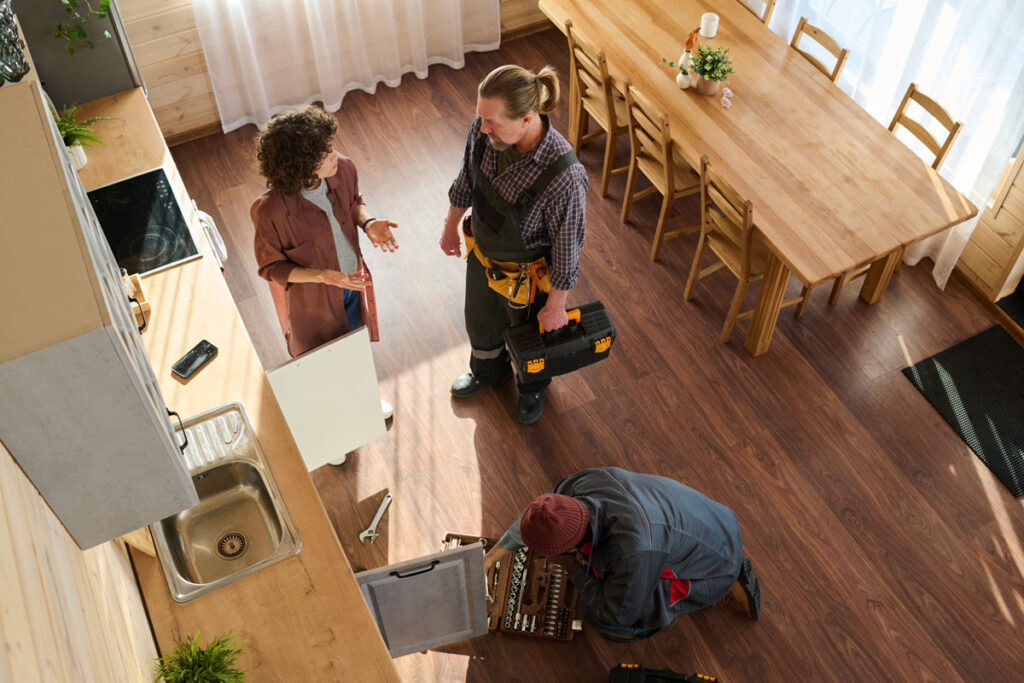
A capable handyman team solves a lot, but certain issues belong with specialists. Structural shifts, roof leaks, complex electrical changes, and foundation concerns deserve focused expertise. We triage early and bring in the right people when the line is crossed. That keeps warranties intact and projects calm.
Simple Next Steps
Walk through your home with a short list and a calm eye. Note the friction points. Then start a conversation. A small, focused scope gets you real relief in days, not months. When you are ready to map outcomes, budget, and timeline in plain English, reach out to us through our quick contact page. A friendly walkthrough and a straight estimate are usually all you need to choose your path.
FAQs
Do accessibility upgrades make my house look clinical?
No. Thoughtful design hides support in plain sight. Low thresholds, better lighting, lever handles, and slip resistant tile read like good design, not medical equipment.
Where should I start if my budget is limited?
Tackle high impact, low cost items first. Swap hardware to levers, improve lighting, add a second stair handrail, and reduce slippery surfaces. Then schedule larger work when it fits.
Do I need permits for this kind of work?
Simple hardware and lighting changes often do not. Plumbing and electrical updates usually do. We clarify requirements up front and handle the paperwork.
Can I live at home while work happens?
Yes. We isolate zones, control dust, and schedule short shutoffs. Most homeowners stay in place with minimal disruption.
Will these changes help resale value?
Homes that are easier to live in appeal to more buyers. Safe entries, updated baths, and clean mechanicals read as quality and care during showings.
About the Author
Hammell Homes has served Evanston, Skokie, and Chicago’s North Shore since 1986. Our team blends practical design with careful planning and clean job sites. We specialize in calm, low-drama upgrades that make daily life safer and more comfortable while preserving the character of older homes.
